
What craft means here
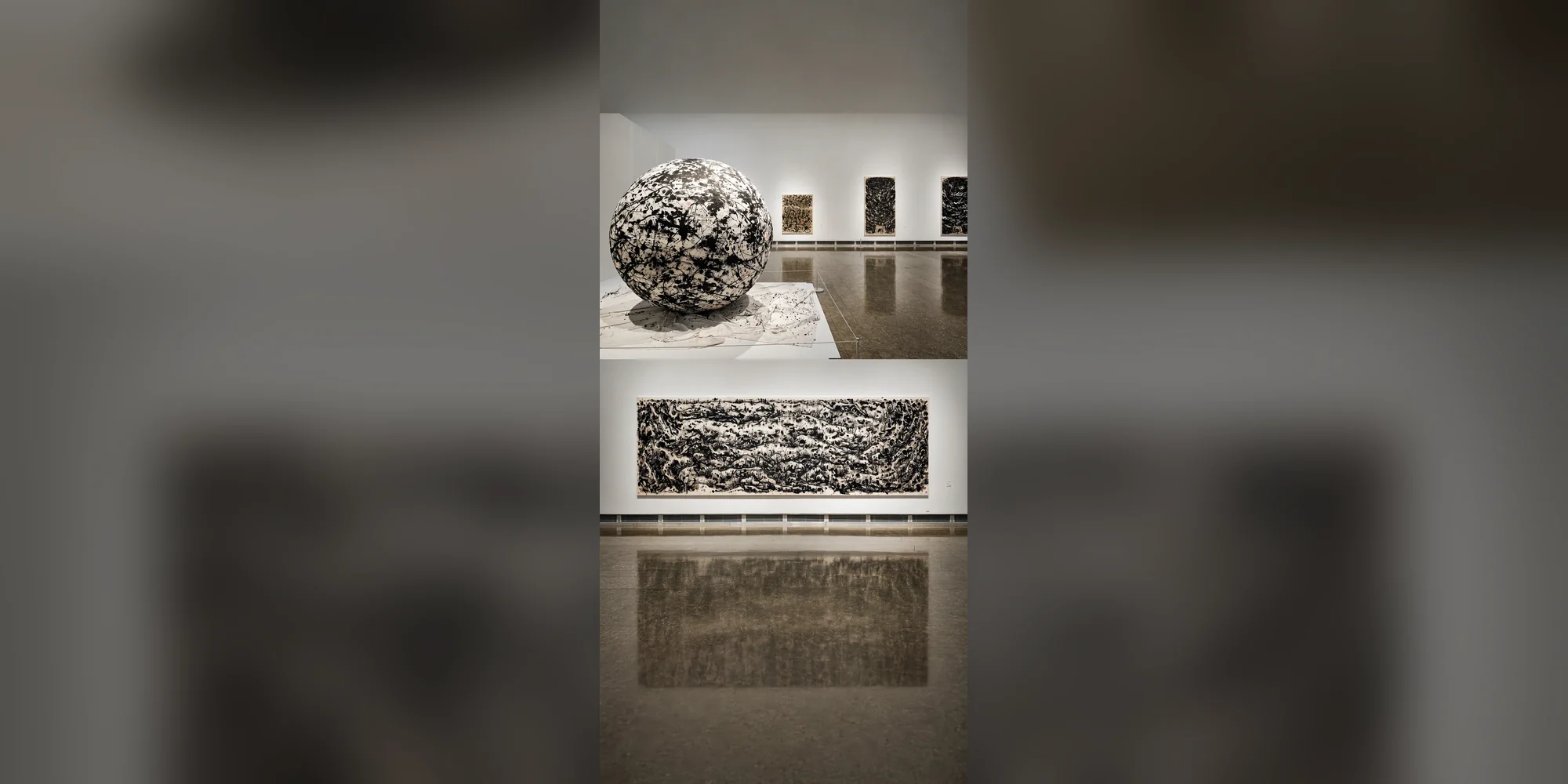
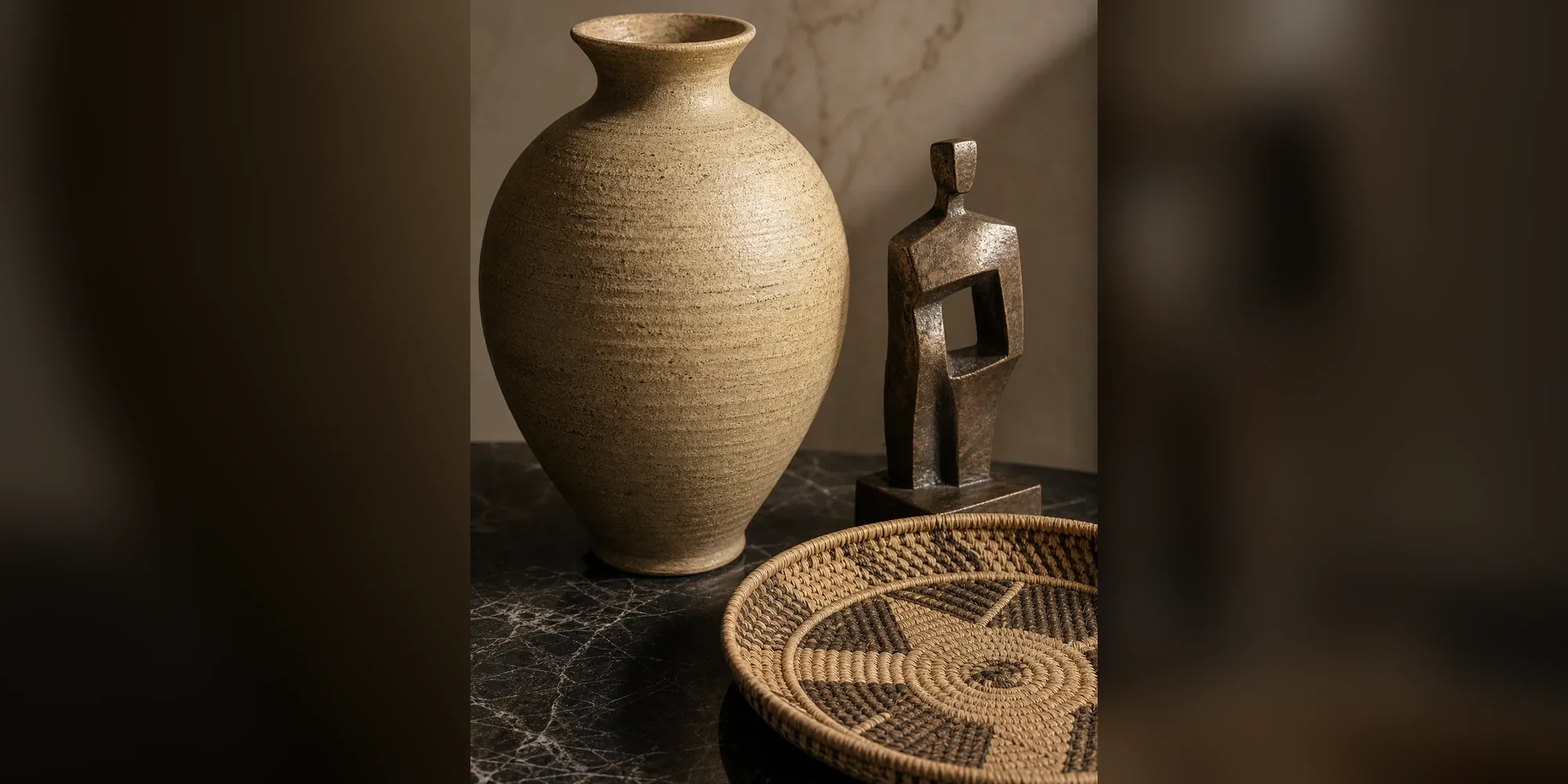
Craft in this catalogue refers to a three-dimensional decorative object that occupies the space itself: a freestanding or pedestal-mounted piece reviewed by material character, surface treatment, form, scale and placement. It is not a wall-hung artwork. Paintings, metal wall panels, mirror etching, relief panels and other flat or wall-mounted pieces belong to the wall art range and are reviewed there.
The distinction is deliberate. A wall-hung piece is specified by wall dimension, hanging height and sight line; a freestanding object is specified by footprint, height, weight, stability and how it is protected in a public space. Treating the two as one category produces briefs that cannot be built, so the pages are kept separate and each product record carries its own material and installation facts.
This hub page sets out who the craft service is for, how material and process are reviewed, and how craft can be coordinated with furniture and wall art as part of one interior language.
Applications
Hotels, restaurants, lobbies, offices, design studios, villas, residential common areas and other interiors where a coordinated decorative direction matters. For each application, the review clarifies whether a piece is decorative, functional, wall-mounted, freestanding or part of a larger installation. Hospitality interiors in particular are covered in more detail in our guide to custom artisan decor for hospitality interiors.
Because the same object can play different roles in different rooms, the application is treated as part of the product definition rather than an afterthought.
Freestanding Pieces We Review
Craft here means a three-dimensional object that stands or rests in the space, not a wall-hung artwork. Wall-mounted pieces are reviewed on the wall art page. Each craft piece is reviewed against the brief; material, process and dimensions are confirmed per piece before anything is treated as a fixed specification.
The craft range is confirmed through a project brief rather than a fixed retail list. Additional object categories are added only when a real product record and photographic evidence exist.
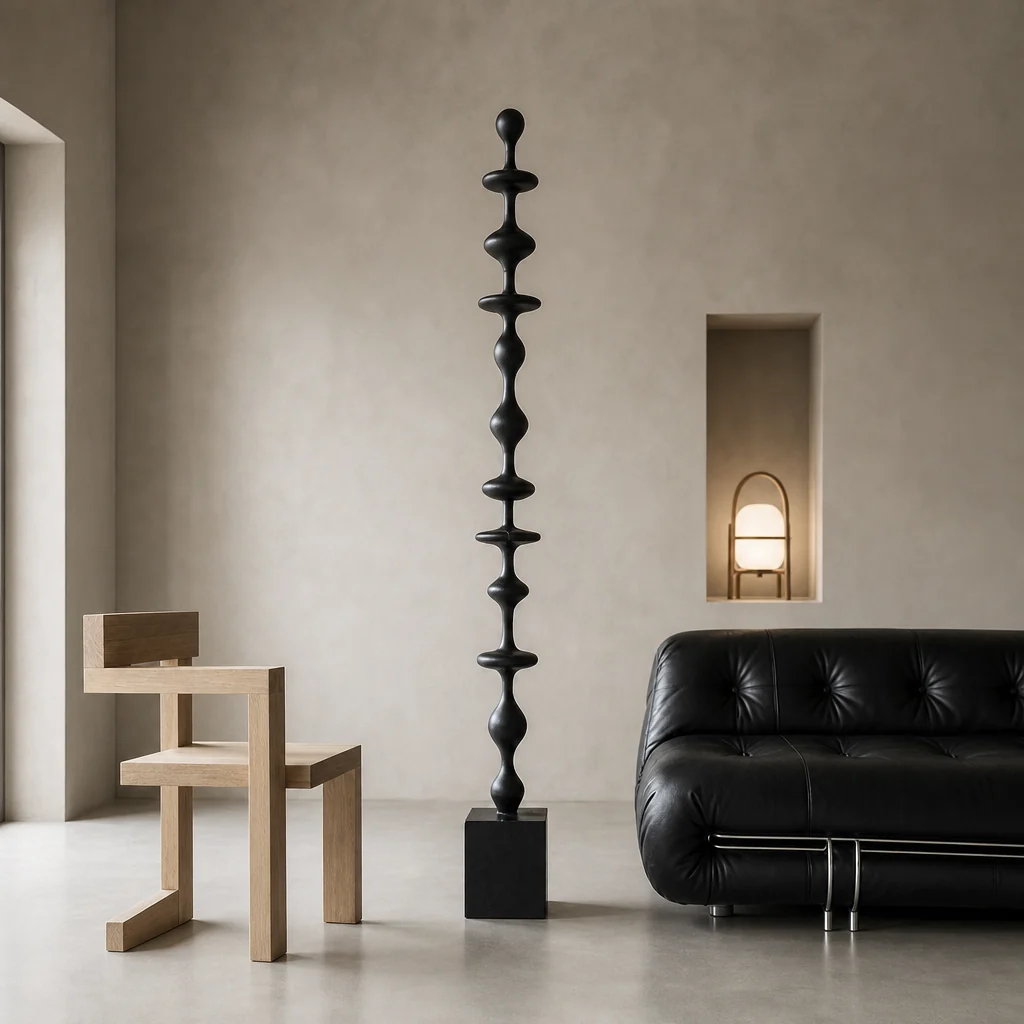
Craft Lighting References
A first reference set of made-to-order carved lighting pieces. Each one is customized per project; materials, finishes and scale are confirmed against your brief before anything is treated as a fixed specification.
Material and process review
Every craft page identifies what is confirmed and what remains open: primary material, surface or finish, structure, dimensions, mounting or placement, image evidence, packaging and care questions. Broad claims such as handmade or artisan are avoided unless the source record supports the wording.
This keeps the discussion honest. A piece is described by what can be verified, and anything still unknown is marked for confirmation rather than filled with a marketing adjective.
The Atmosphere We Design Toward
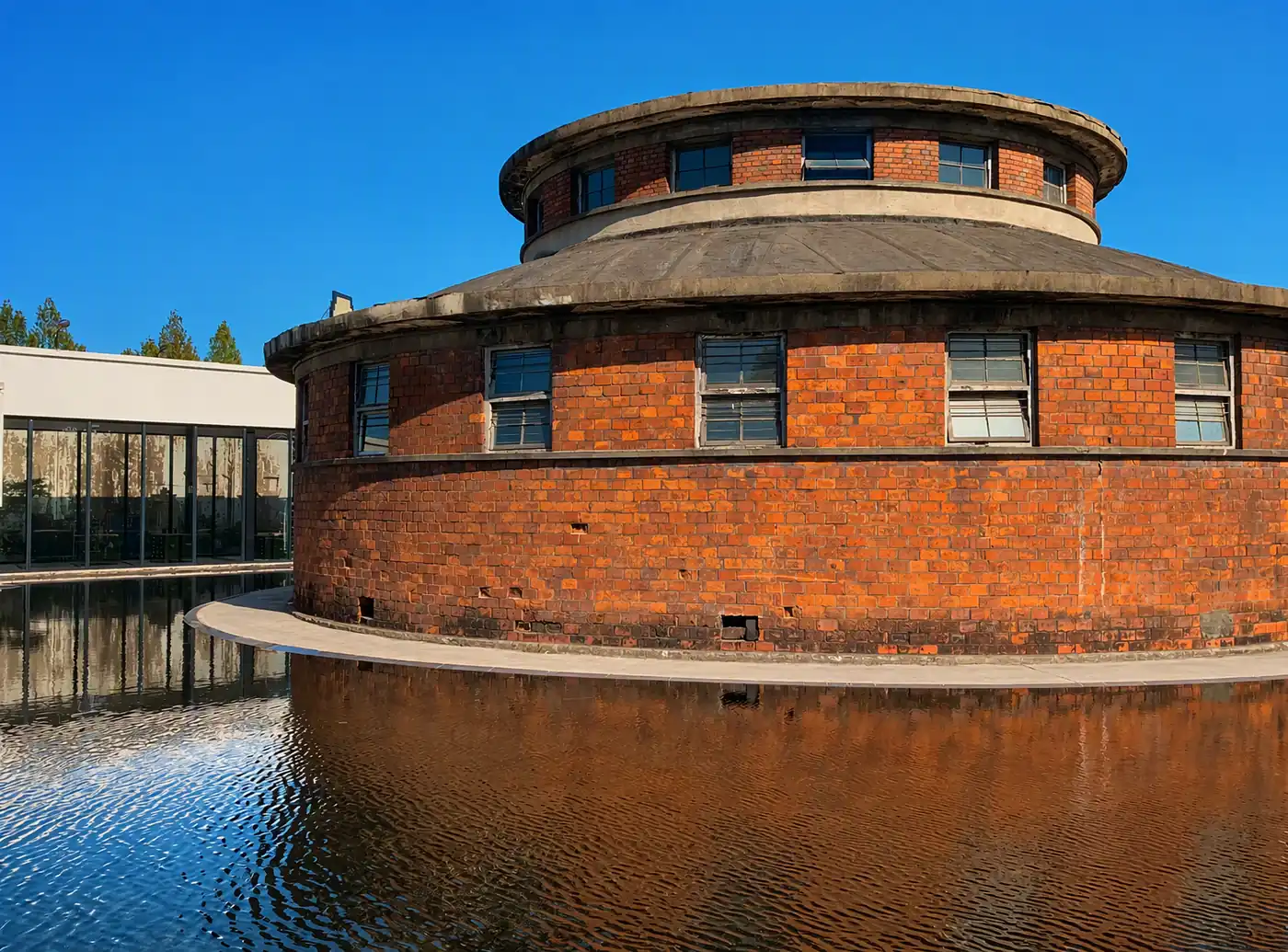
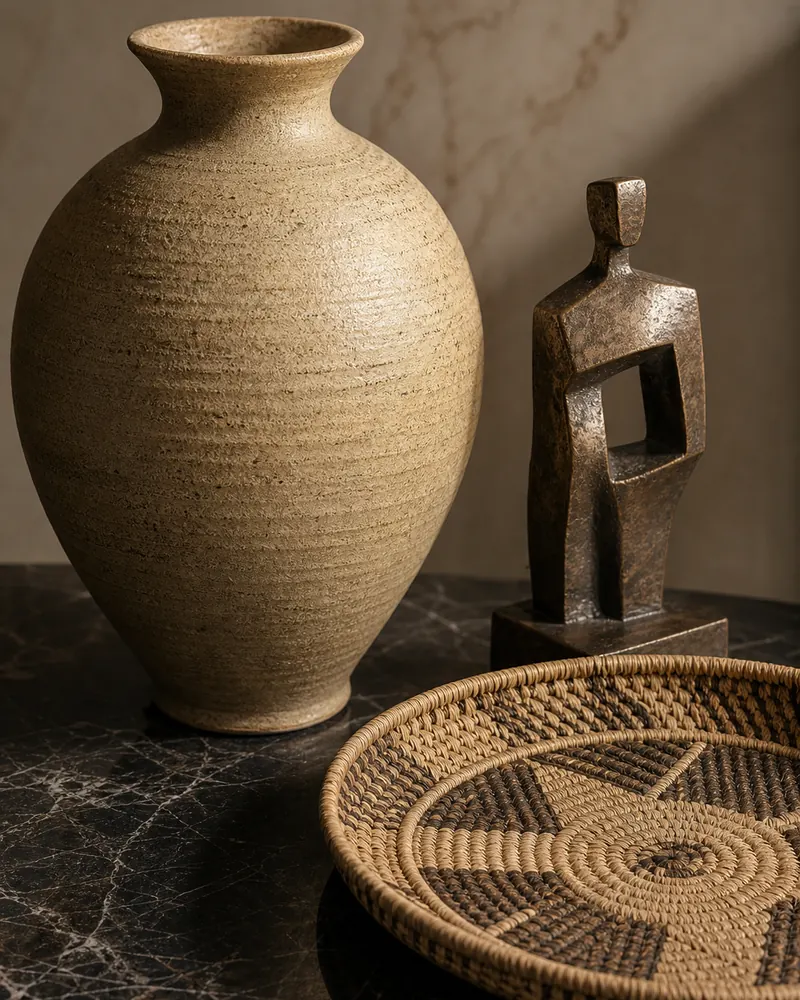
Ambiance references that show the material language and setting our artisan decor is reviewed against.
Craft plus wall art or furniture
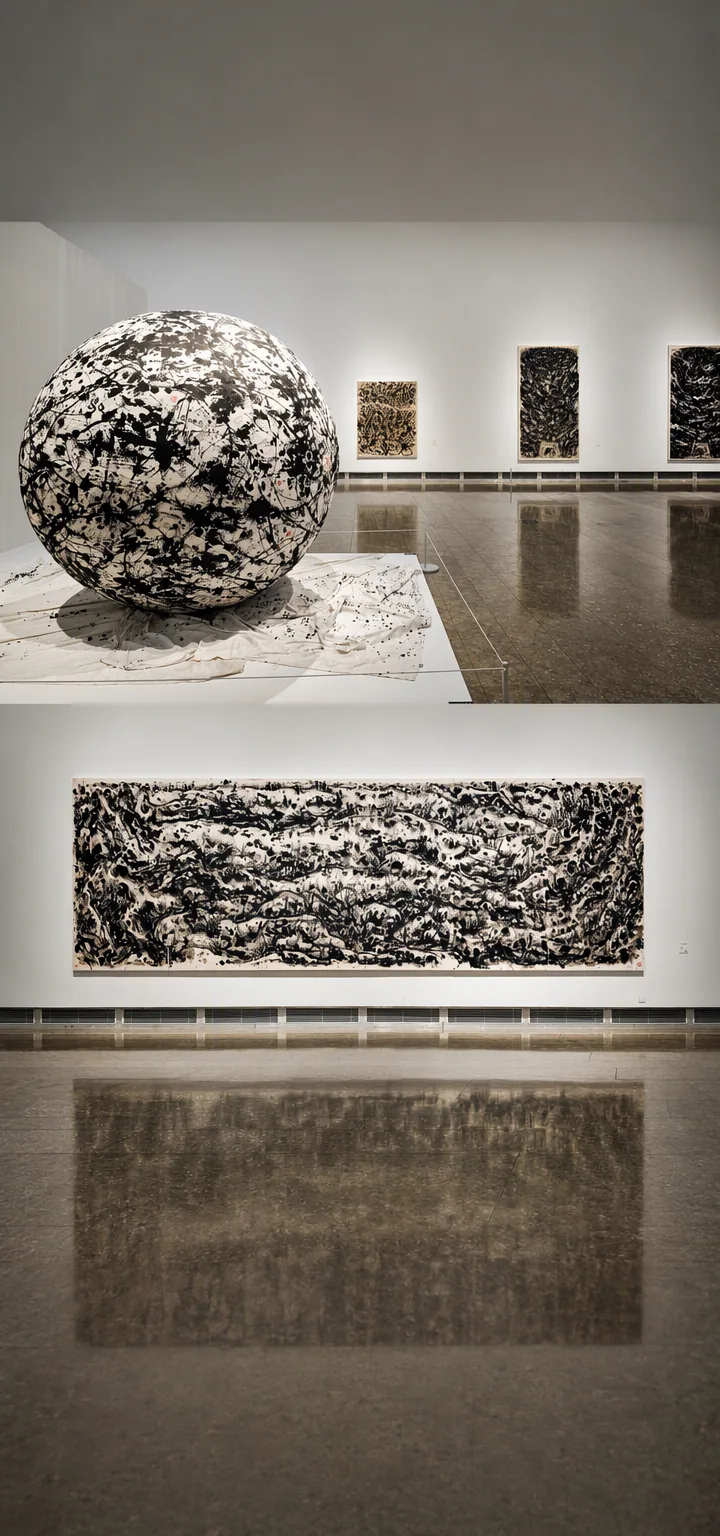
Craft pieces can be reviewed with furniture and wall art as part of a broader project language. This is a coordination option, not a promise that every category is produced as one standard collection. A designer can hold one visual direction across the wall, the floor and the decorative accents while each item keeps its own record and review.
The five-step project process applies here too, with one added step in the brief: identify whether the piece is decorative, functional, wall-mounted, freestanding or part of a hospitality installation.
How a Project Moves Forward
The final scope is confirmed project by project. For a step-by-step walkthrough, see our project-based guide to sourcing artisan decor.
Share the brief
Provide the space, use, quantity, dimension direction and reference images.
Review the application
Confirm where the piece sits in the project and how it will be used.
Confirm materials and finish
Review verifiable material, structure, surface and colour direction.
Review the project scope
Clarify samples, drawings, packaging, handoff and open items.
Move to a project discussion
Once scope is clear, move into a project-based proposal discussion.
Frequently Asked Questions
Is craft a standard retail collection?
No. Craft pieces are reviewed project by project, and each object is confirmed from its own product record rather than from a fixed retail list.
Which interiors can use craft objects?
Hospitality, commercial, design-studio and high-requirement residential applications can be reviewed by context, including whether the piece is freestanding, pedestal-mounted or part of a larger installation.
Can you confirm the material before the project discussion?
Confirmed material information depends on the product record and the proposed application.
How is craft different from wall art?
Wall art is mounted on a wall and specified by wall dimension, hanging height and sight line. Craft is a three-dimensional object specified by footprint, height, weight and stability. They can share one visual direction but are reviewed on separate pages and separate records.
What should I send first?
Send the intended space, placement, approximate scale, reference images, quantity direction and finish preference.
Can you produce large-format and oversized craft objects?
Large-format and oversized craft objects are reviewed by footprint, height, weight, stability and the access route into the space, and the final dimensions are confirmed from the product record and the project brief rather than a fixed catalogue size. Send the placement, approximate scale or a working range and whether the piece is freestanding, pedestal-mounted or part of a larger installation, so the scale and stability can be reviewed before the project discussion.